How to Create a Nature Journal
This post may include affiliate links and I may earn a small commission from qualifying purchases. Mabon House only features products that I use myself or that I believe my readers would enjoy. Thank you!
Taking time to observe nature throughout the year is a simple way to reconnect—with the earth, with your thoughts, and with yourself. A nature journal is just a place to notice what’s happening around you. Creating your own nature journal doesn’t have to be complicated. In fact, it works best when it’s not.
What to Observe
Nature observation can be as broad or as specific as you want. You might pay attention to:
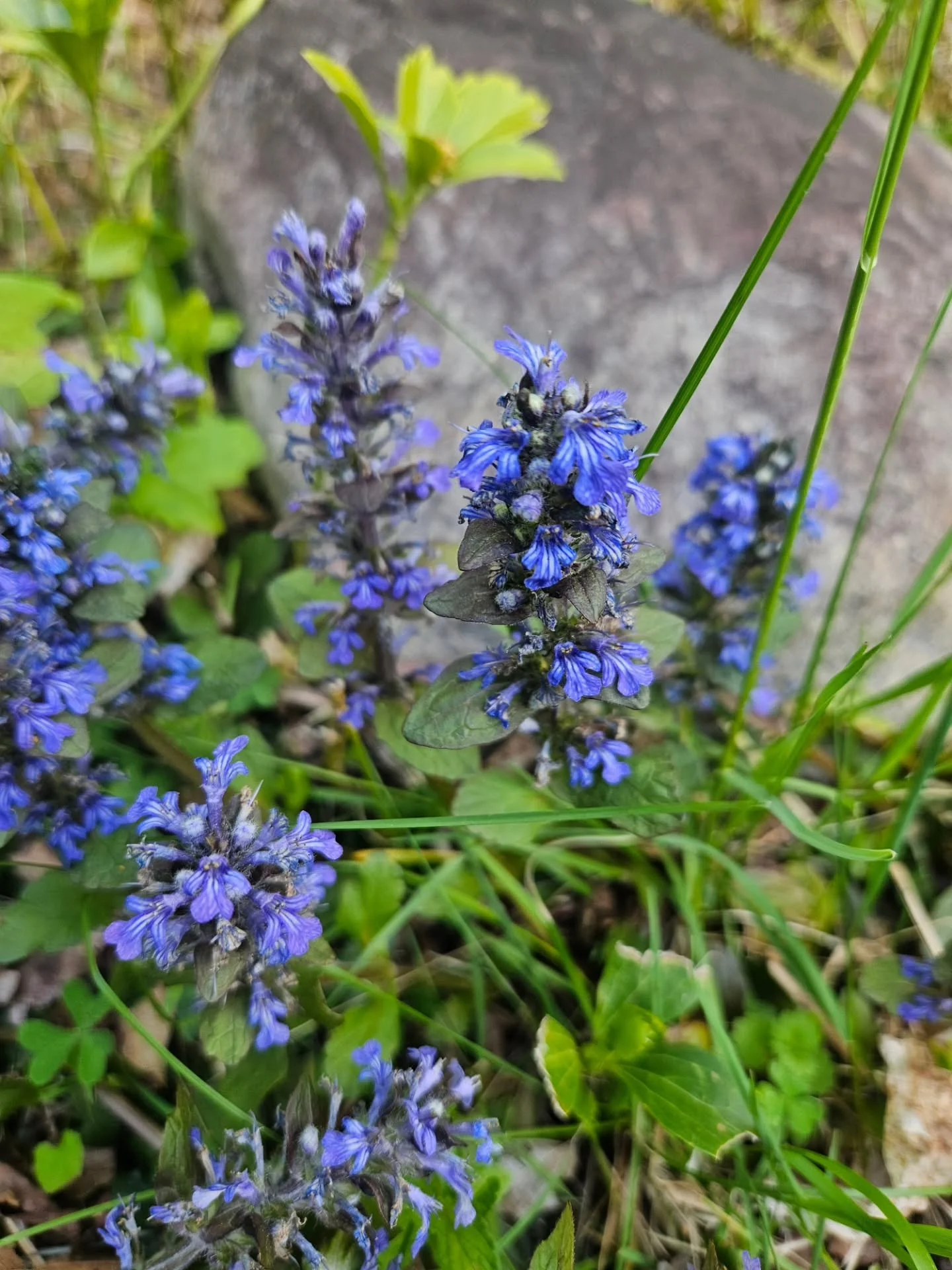
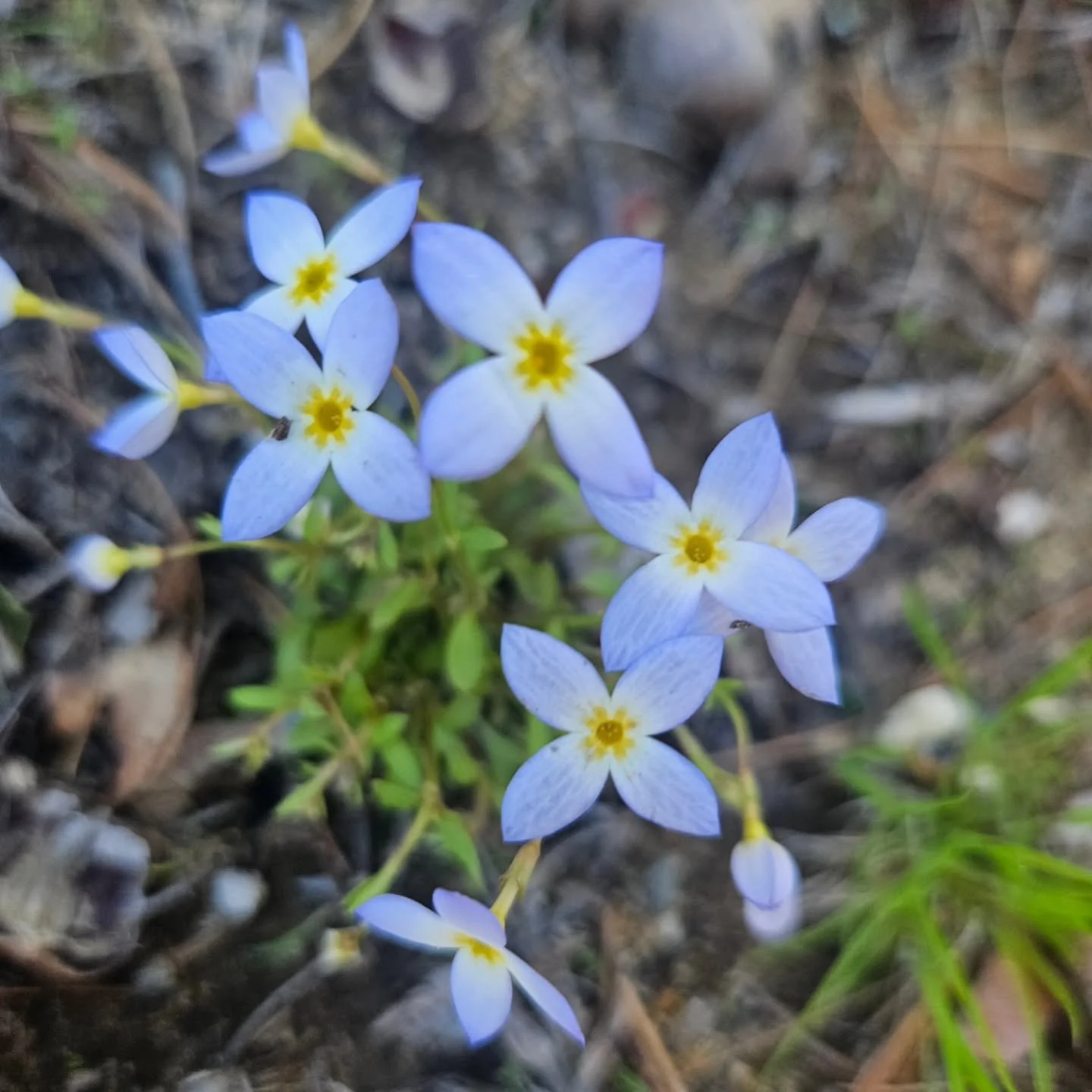
Plants
Birds
Bees and other insects
Trees
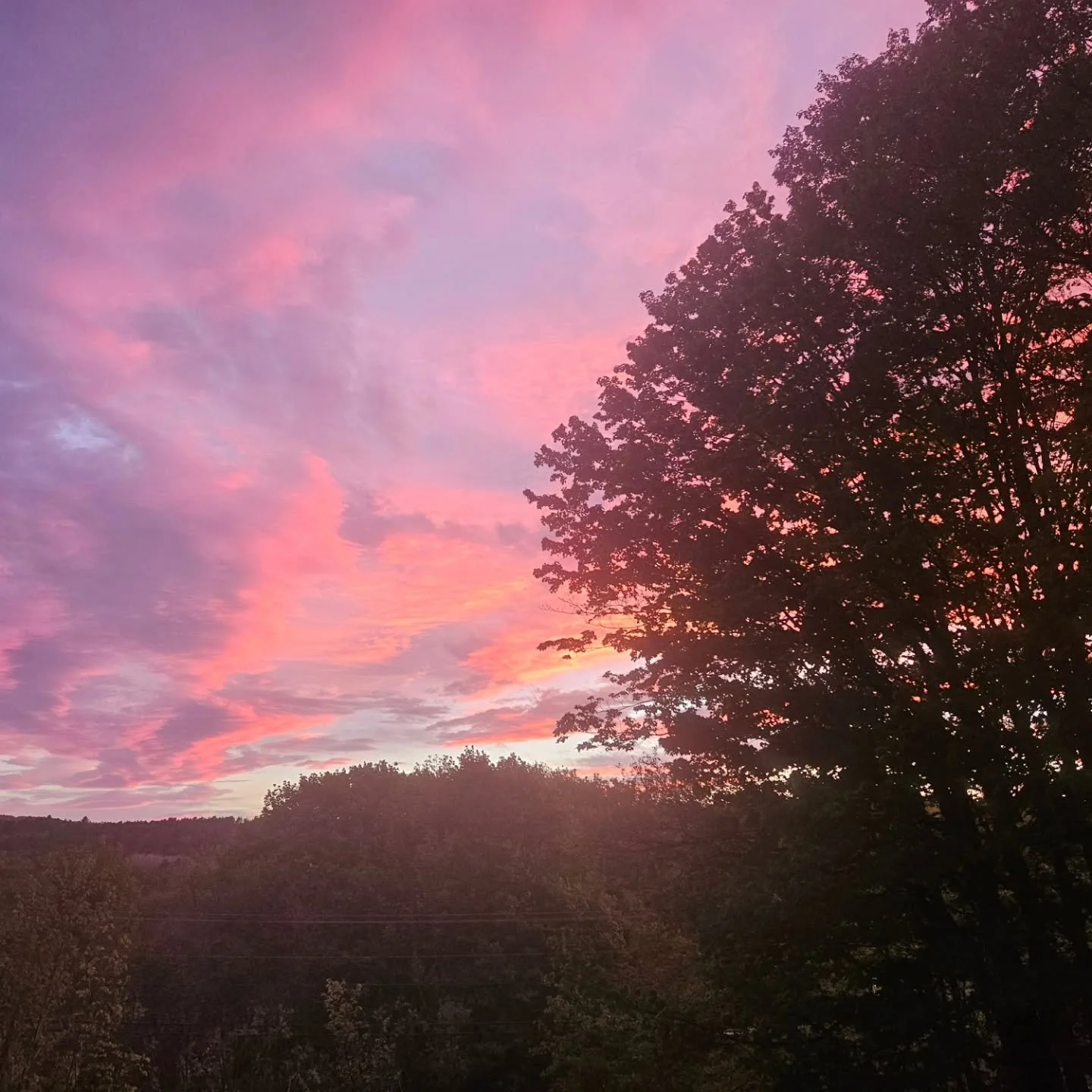
The changing sky
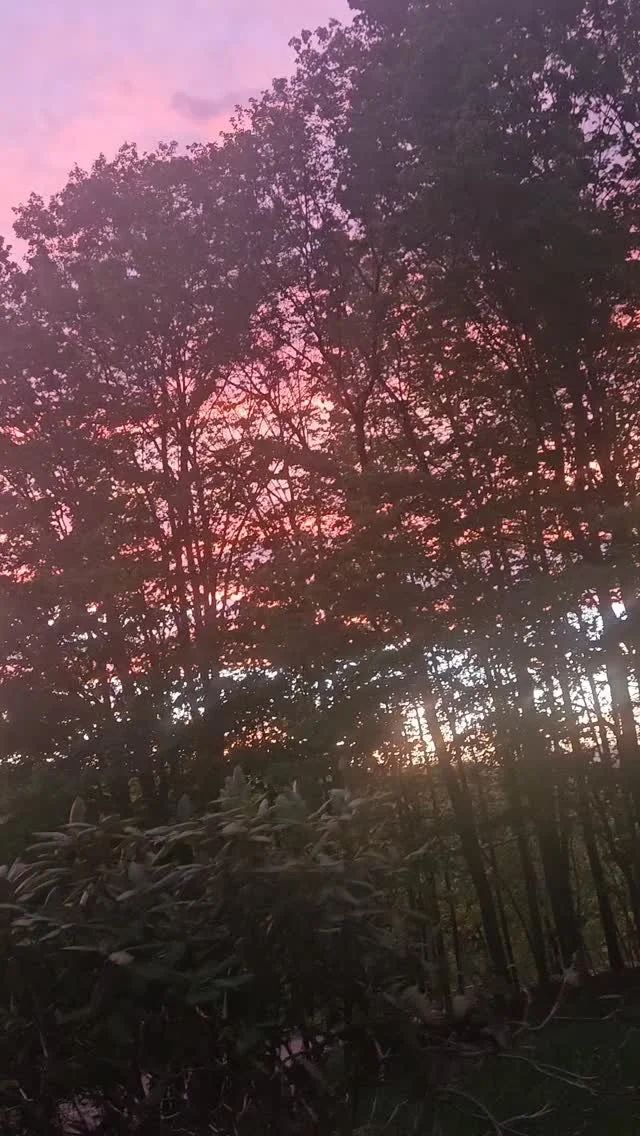
Sunlight - how it changes throughout the day or season
Or you might choose one thing to follow over time—a single tree in your yard, a patch of wildflowers, or even just the way the light hits your porch each morning.
There’s no right way to do this.
How to Record What You Notice
Use all of your senses when you’re outside:
What do you see?
What do you hear?
What do you feel (temperature, wind, texture)?
What do you smell?
What do you taste(only if you’re absolutely sure it’s safe)
You can:
Sketch what you see
Write a few sentences
Make a list
Track patterns over time
If you want to go deeper, bring tools like binoculars or a magnifying glass. When you slow down and look closely, you start to notice things you would normally miss—the veins in a leaf, the texture of tree bark, or the subtle color shifts in a single flower petal.
A Simple Example to Try
Ever since I was a kid, I’ve loved dandelions. They were always the first flower to bloom around my elementary school and it meant two things: spring was finally here and school was almost out for the summer. As a kid, I would pick the dandelion and bring it home - only to find it wilted and sad at the bottom of my backpack. As an adult I’ve learned the best way to enjoy a dandelion is to leave them be and watch them grow.
I still find dandelions just as enchanting and sign that summer is right around the corner. When I look at them I notice:
Low green leaves spreading across the ground
Bright yellow blooms opening toward the sun
The transformation into those soft, wispy seed heads
and finally watching the breeze turn the flower into wishes
Watching that full cycle play out gives a surprisingly clear sense of time passing. I know when the dandelions are finished blooming, that lilacs will be next, and then the roses, and so on and on. I mark seasons by what I see in bloom just as much as with a calendar or planner.
Track the Seasons in Real Time
Your journal can also be a place to track:
Daily weather
Temperature changes
First signs of seasonal shifts
If you like a bit of structure, you might try a phenology wheel—a circular way of tracking changes in nature over time.
Nature journaling isn’t really about journaling. It’s about paying attention.
It’s a way to:
Quiet a busy mind by focusing on something tangible
Get outside and support your physical and mental health
Build a deeper sense of connection to the natural world
Notice the things we usually take for granted—clean air, clean soil, healthy trees, and seasonal rhythms
Over time, it also builds a kind of quiet compassion for the earth. Observing nature from a young age has instilled me an awareness of the impact we have on the earth. I am by no means perfect when it comes to enviornmentalism or sustainability, but I do strive to do my best to be a good steward of the natural resources around me.
Inspiration for Everyday Life
Nature journaling naturally feeds into other parts of your life.
It can inspire:
Seasonal or Wheel of the Year celebrations
Creative projects
Writing, art, or photography
There’s a reason landscapes have been painted, written about, and studied for centuries. There’s always something new to notice.
Let It Be Imperfect
This part matters.
The goal is not to create something beautiful or impressive.
It’s just for you.
You don’t need to:
Journal every day
Fill every page
Make it look aesthetic
Do it when you can. Skip it when you can’t.
If you tend to get hung up on consistency (I do too), this is your reminder that it still “counts” even if it’s occasional. I practice nature journaling often in my weekly letters to readers. I describe virtually the same scene over and over - the view from my back porch that stretches across a river valley. Every time I write about this, I see something different or new.
My Instagram is kind of like a makeshift nature journal - if you look at all my photos, you’ll see that 90% of them are of nature, often repeating the same scene or subject in different seasons.
Start Simple
All you really need is:
A notebook
Something to write or draw with
A few minutes outside
That’s it.
Everything else builds from there.
If you would like help getting started, I’ve created a free Nature Journaling worksheet. Happy journaling!
On the Blog
Follow the Mabon House Adventures