Following Along With Nature
This post may include affiliate links and I may earn a small commission from qualifying purchases. Mabon House only features products that I use myself or that I believe my readers would enjoy. Thank you!
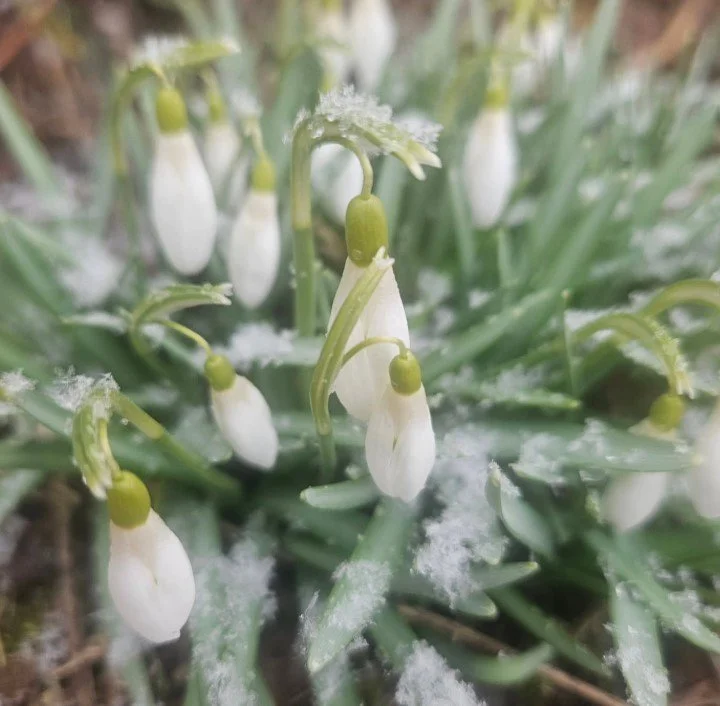
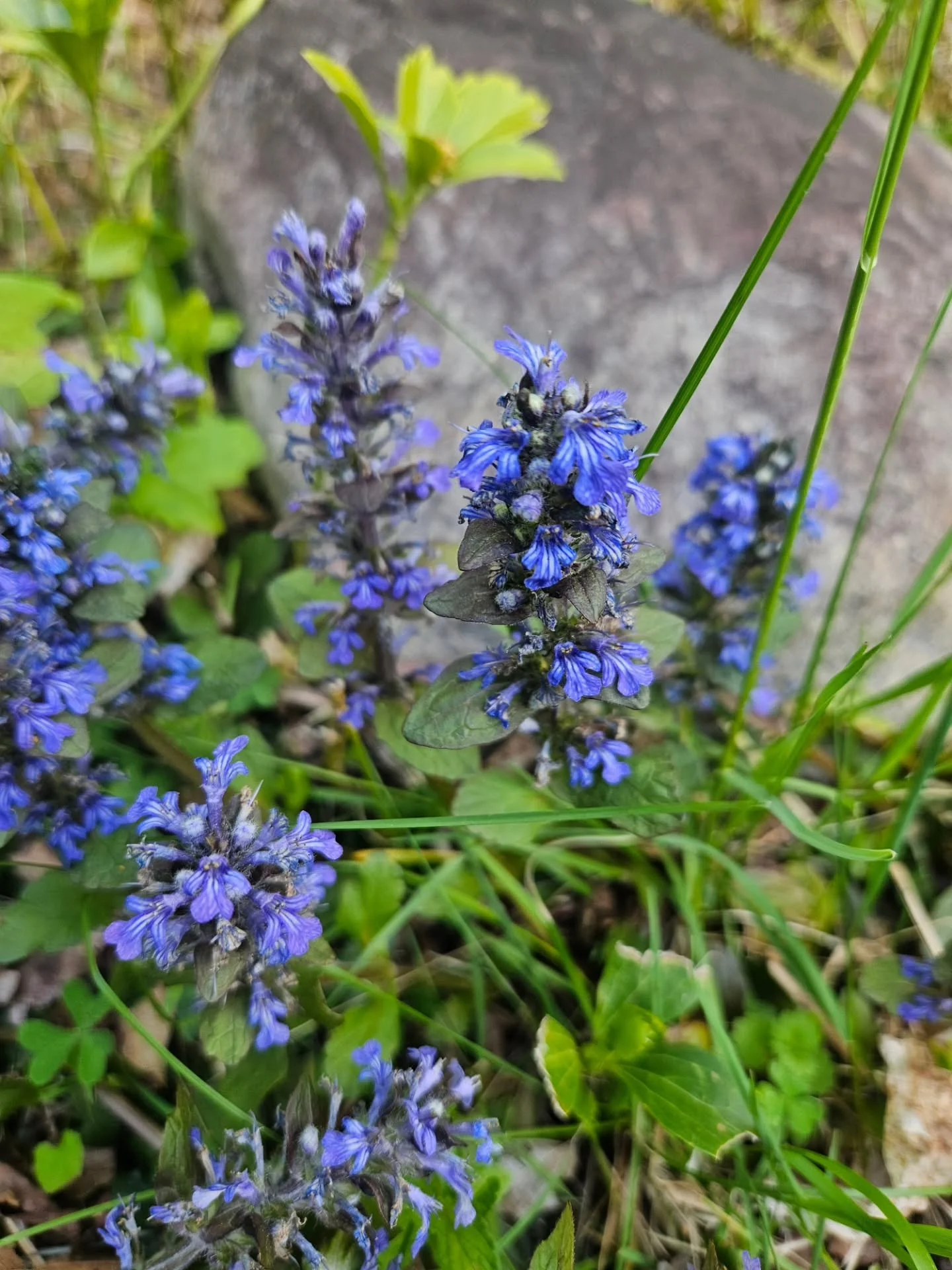
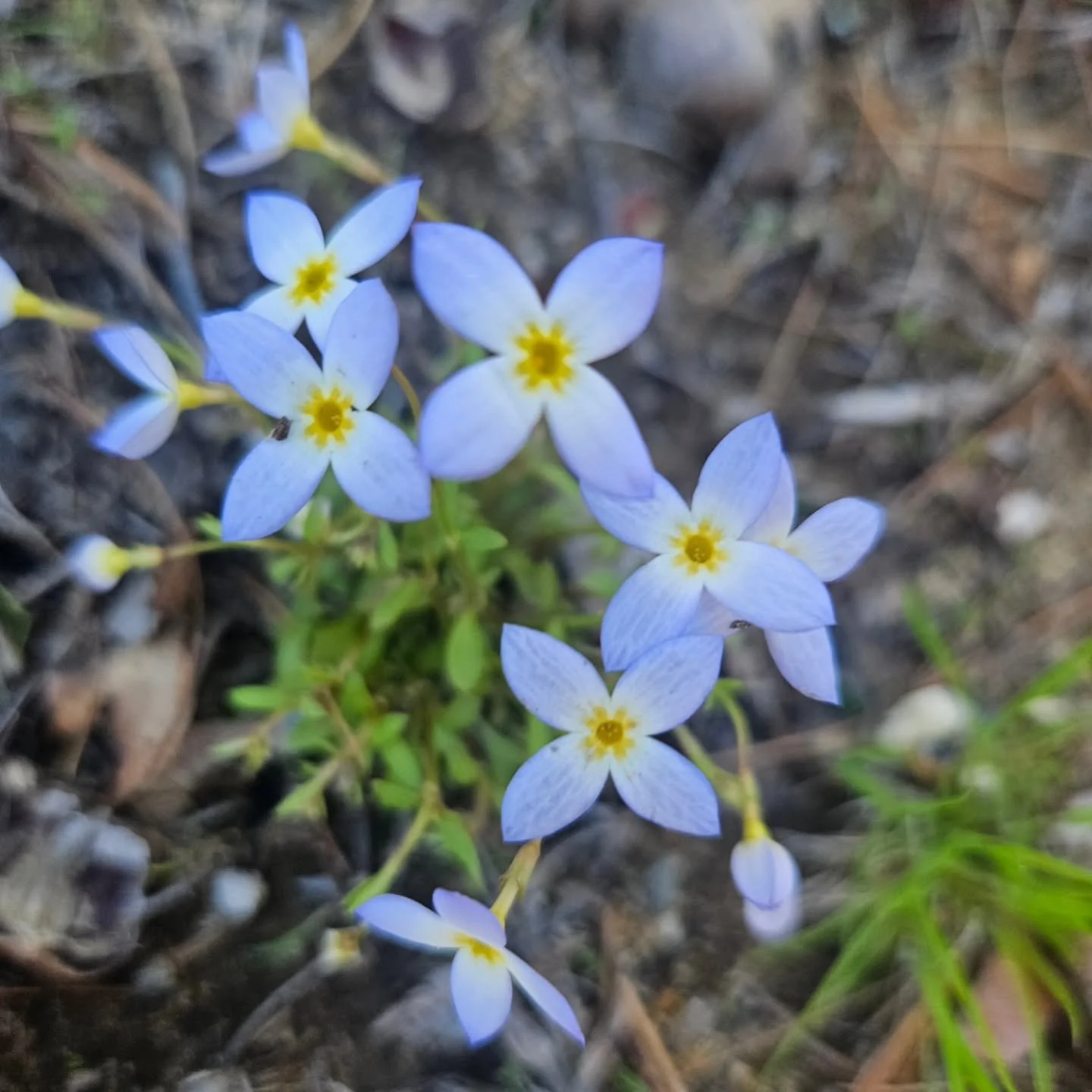
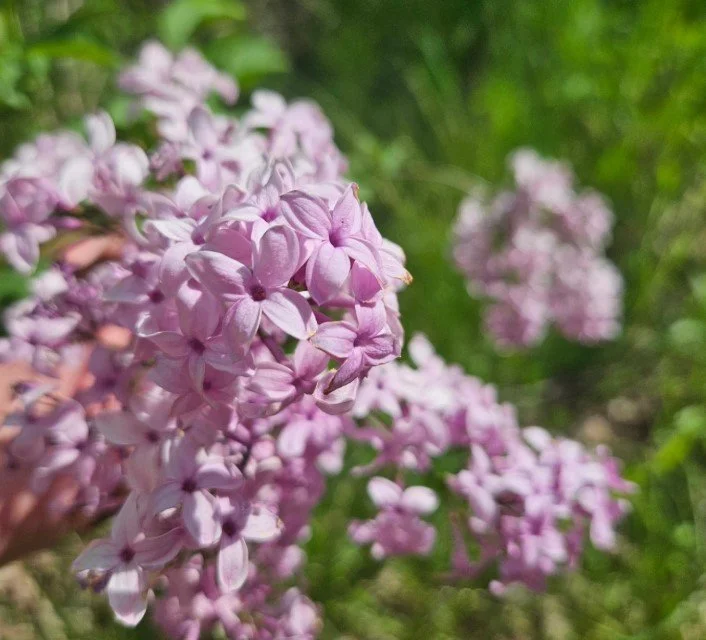
Over the years I’ve come to notice that certain moments act as markers of the seasons. The first purple crocus reminds me it’s time to begin spring cleaning, and I find myself naturally decluttering after the dormancy of winter. When the first leaves appear on the trees at the very end of April, I shift outdoors and start tidying the yard. The first dandelions mean it’s time to pull out my sandals. And when the lilacs bloom at the end of May, I finally tuck away my heavy sweaters for the season.
By mid-July, when buttercups start dotting the fields and roadsides, I’m reminded that summer is already more than halfway through—and if I haven’t yet, it’s time to get to the beach and soak in some of those simple summer pleasures.
Not all of my seasonal reminders come from the garden. In late August, when bags of McIntosh apples start appearing on sale, I know cooler weather is just around the corner. That’s my cue to bring the sweaters back out and pack away my sandals and sundresses. In late September I’ll notice the shadows in my kitchen are falling a little earlier in the day, reminding me that winter is just around the corner and I need to get my wood stacked before snowfall. In mid January, when the sunlight begins to linger in the afternoon, I know we’ve begun the uphill climb back to summer.
Most of these moments happen quietly, almost without thought—they’ve simply become part of the rhythm of my life. But this year, after finishing nursing school and feeling disconnected from so much of my life and nature, I need a better sense of grounding and connection. So I’ve decided to begin tracking the little moments that mark the changing seasons. I think this will be interesting to compare from year to year, as well as a way for me to practice staying present. Intentionally focusing on the world around me is something I feel I need even more now, after working busy 12 hour shifts.
There are dozens of seasonal markers I could name—little cues that prompt action, bring comfort, or signal that something new is on the way. If this is something you’d like to try in your own life, I’ve written a full post about starting a nature journal.
I would love to know what kind of seasonal markers you have in your corner of the world.
On the Blog
Follow the Mabon House Adventures
How to Create a Nature Journal
This post may include affiliate links and I may earn a small commission from qualifying purchases. Mabon House only features products that I use myself or that I believe my readers would enjoy. Thank you!
Taking time to observe nature throughout the year is a simple way to reconnect—with the earth, with your thoughts, and with yourself. A nature journal is just a place to notice what’s happening around you. Creating your own nature journal doesn’t have to be complicated. In fact, it works best when it’s not.
What to Observe
Nature observation can be as broad or as specific as you want. You might pay attention to:
Plants
Birds
Bees and other insects
Trees
The changing sky
Sunlight - how it changes throughout the day or season
Or you might choose one thing to follow over time—a single tree in your yard, a patch of wildflowers, or even just the way the light hits your porch each morning.
There’s no right way to do this.
How to Record What You Notice
Use all of your senses when you’re outside:
What do you see?
What do you hear?
What do you feel (temperature, wind, texture)?
What do you smell?
What do you taste(only if you’re absolutely sure it’s safe)
You can:
Sketch what you see
Write a few sentences
Make a list
Track patterns over time
If you want to go deeper, bring tools like binoculars or a magnifying glass. When you slow down and look closely, you start to notice things you would normally miss—the veins in a leaf, the texture of tree bark, or the subtle color shifts in a single flower petal.
A Simple Example to Try
Ever since I was a kid, I’ve loved dandelions. They were always the first flower to bloom around my elementary school and it meant two things: spring was finally here and school was almost out for the summer. As a kid, I would pick the dandelion and bring it home - only to find it wilted and sad at the bottom of my backpack. As an adult I’ve learned the best way to enjoy a dandelion is to leave them be and watch them grow.
I still find dandelions just as enchanting and sign that summer is right around the corner. When I look at them I notice:
Low green leaves spreading across the ground
Bright yellow blooms opening toward the sun
The transformation into those soft, wispy seed heads
and finally watching the breeze turn the flower into wishes
Watching that full cycle play out gives a surprisingly clear sense of time passing. I know when the dandelions are finished blooming, that lilacs will be next, and then the roses, and so on and on. I mark seasons by what I see in bloom just as much as with a calendar or planner.
Track the Seasons in Real Time
Your journal can also be a place to track:
Daily weather
Temperature changes
First signs of seasonal shifts
If you like a bit of structure, you might try a phenology wheel—a circular way of tracking changes in nature over time.
Nature journaling isn’t really about journaling. It’s about paying attention.
It’s a way to:
Quiet a busy mind by focusing on something tangible
Get outside and support your physical and mental health
Build a deeper sense of connection to the natural world
Notice the things we usually take for granted—clean air, clean soil, healthy trees, and seasonal rhythms
Over time, it also builds a kind of quiet compassion for the earth. Observing nature from a young age has instilled me an awareness of the impact we have on the earth. I am by no means perfect when it comes to enviornmentalism or sustainability, but I do strive to do my best to be a good steward of the natural resources around me.
Inspiration for Everyday Life
Nature journaling naturally feeds into other parts of your life.
It can inspire:
Seasonal or Wheel of the Year celebrations
Creative projects
Writing, art, or photography
There’s a reason landscapes have been painted, written about, and studied for centuries. There’s always something new to notice.
Let It Be Imperfect
This part matters.
The goal is not to create something beautiful or impressive.
It’s just for you.
You don’t need to:
Journal every day
Fill every page
Make it look aesthetic
Do it when you can. Skip it when you can’t.
If you tend to get hung up on consistency (I do too), this is your reminder that it still “counts” even if it’s occasional. I practice nature journaling often in my weekly letters to readers. I describe virtually the same scene over and over - the view from my back porch that stretches across a river valley. Every time I write about this, I see something different or new.
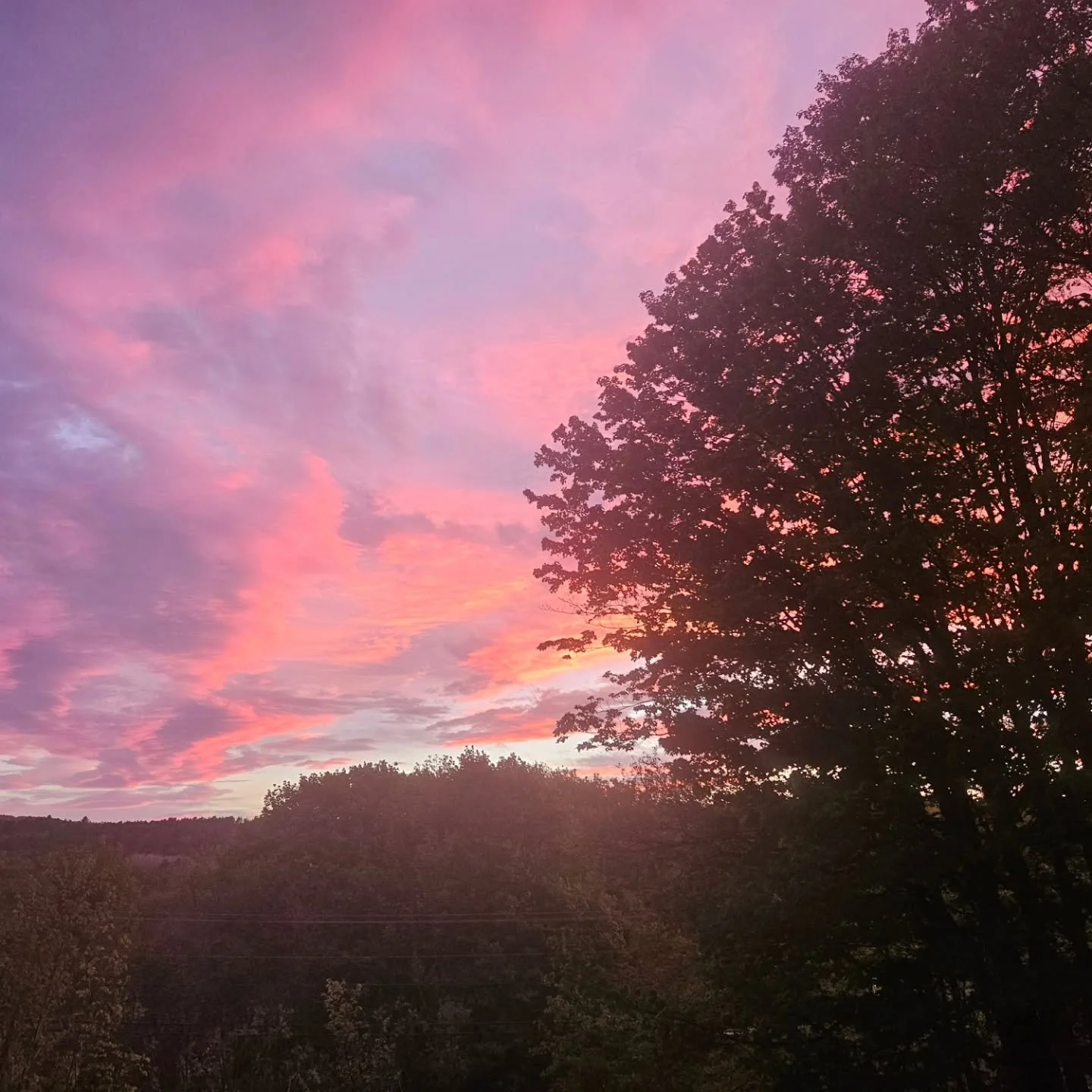
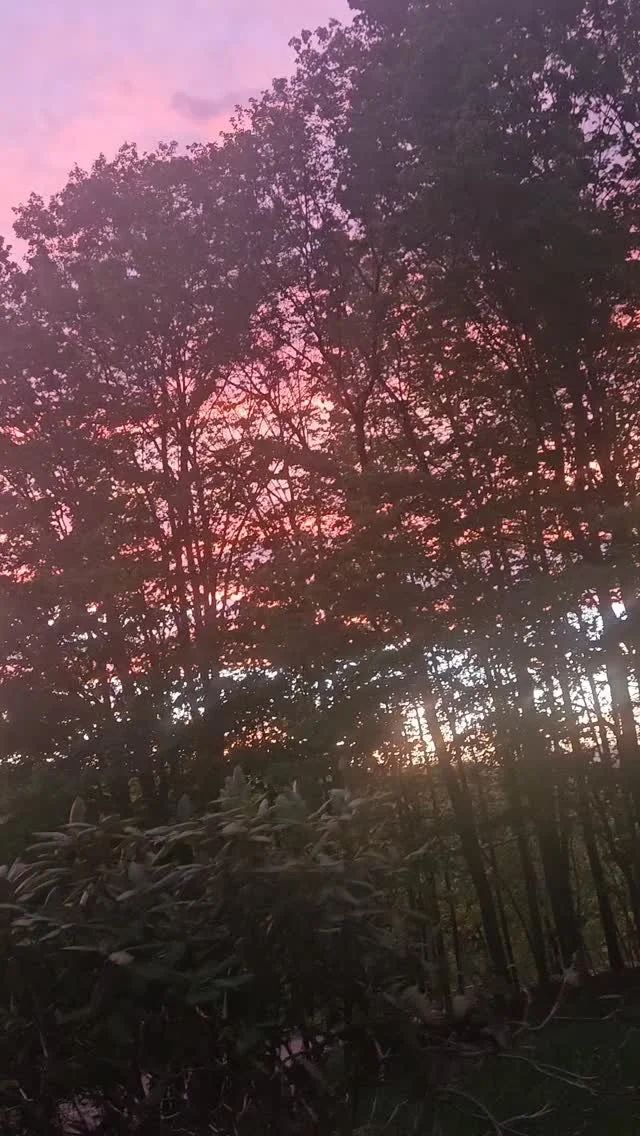
My Instagram is kind of like a makeshift nature journal - if you look at all my photos, you’ll see that 90% of them are of nature, often repeating the same scene or subject in different seasons.
Start Simple
All you really need is:
A notebook
Something to write or draw with
A few minutes outside
That’s it.
Everything else builds from there.
If you would like help getting started, I’ve created a free Nature Journaling worksheet. Happy journaling!
On the Blog
Follow the Mabon House Adventures

Finding My Path Once Again

Photo by Tim Foster via Unsplash
Last night the sky was so clear that the waxing crescent moon shined as bright as if it were full, illuminating the trees and casting shadows across my gardens. I’ve missed the moon these past 18 months - only giving it fleeting glances now and again, before hurrying to work, study or sleep. I can’t remember the last time I sat with her and let her light wash over me- a simple little ritual I enjoy as a way to bring a sense of peace after a long day.
Now that nursing school is finished (graduation is this weekend!) I feel the slow comedown of completing a big task. The long exhale of a breath I’ve been holding for months. It is both exhilarating and unsettling. I feel as if I’ve entered a new life. Nursing school was one of those dividing life events of Before and After. You know, when you think of the way life was before I had kids or before COVID; or after my divorce, after my kids graduated. Life becomes a bifurcation of our own unique experiences.
Over the past 18 months I had to ignore my natural cadence to slow down in the colder months, because clinicals stop for no one - not even winter or perimenopause. I had to muscle through exhaustion and drag myself across multiple finish lines. All of which goes against the grain of my soul. Now comes the reckoning - my exhaustion has caught up with me and I find myself wanting to rest more than anything.
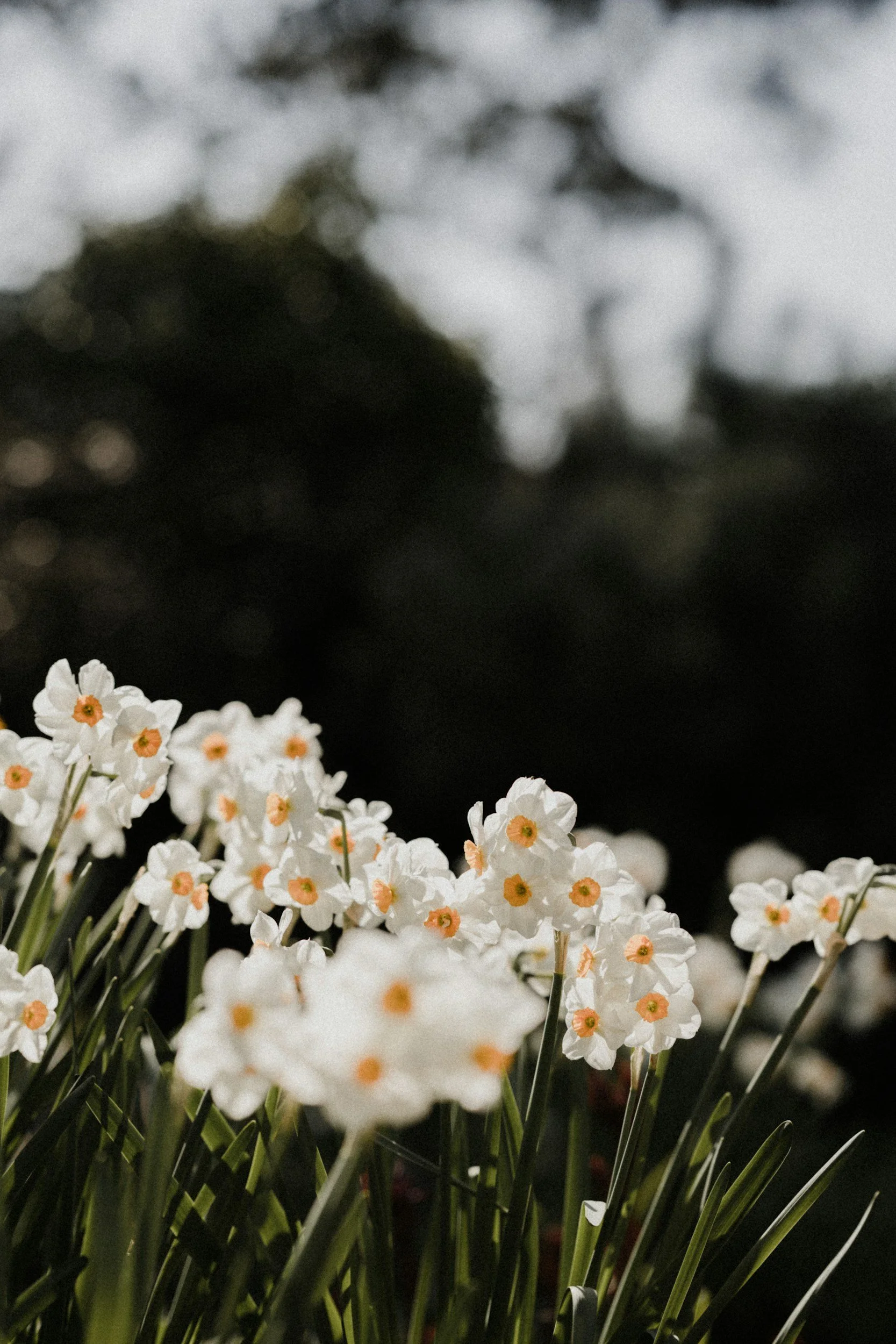
As part of reclaiming my energy and recalibrating to this new chapter of life, I’ve begun to find my way back to my spiritual path, which I largely left in order to concentrate on school. Like with the moon, I’ve barely been out in nature this season. Usually this time of year I’m eagerly looking for signs of spring - bird songs, daffodil leaves, a change in the slant of sunlight in my sitting room. I’m excited to have the time to do that once more. I worry my gardens will have forgotten me.
I’ve also begun slowly checking things off my post-nursing school list of all the things that have been on hold until I graduated. I’ve picked up my paints and started writing more - creative outlets that leave me energized and refreshed; I subscribed to a couple of ezines in an effort to do less doom scrolling on social media; I picked out new colors for my kitchen walls to refresh the space; and I’ve begun to very gently move my body more, slowly straitening it out from months hunched over a computer or text book.
As tired as I am, I welcome the energy shift that comes with springtime and the Season of the Maiden. I intend to rest as much as I can these last few weeks of winter and then go outside, play in the dirt, sit in the sun, and gently work on releasing the stagnant energy left behind by winter. The earth and I will wake up together this season.
Ostara Resource Guide
As part of my energy reset, I put together this guide for Ostara and the Spring Equinox. It includes some of my own writing and a free Ostara course with printables I’ve shared in previous years. It also has some recommended readings with links. I hope you find it helpful for your own Ostara and springtime celebrations.
More Ostara Reading


Follow the adventures