Nature-Based Spirituality Series: What Is a Garden Witch?
This post may include affiliate links and I may earn a small commission from qualifying purchases. Mabon House only features products that I use myself or that I believe my readers would enjoy. Thank you!
There is no single definition of a garden witch. The term is often used interchangeably with green witch or hedge witch, though there are some distinct differences between the three.
At its core, a garden witch is someone whose spiritual practice centers around plants, gardening, seasonal cycles, and connection to the natural world. Rather than focusing on elaborate rituals or strict traditions, garden witchcraft is often rooted in everyday acts of care, observation, and intention.
For some people, that may look like tending herbs or planting according to the moon phases. For others, it may simply mean slowing down and developing a deeper relationship with nature.
What Does a Garden Witch Practice Look Like?
A garden witch’s spirituality can take many different forms. There is no “right” way to practice nature-based spirituality, and many people blend gardening, herbalism, folk traditions, mindfulness, and seasonal living into their own unique path.
A garden witch’s practice may include:
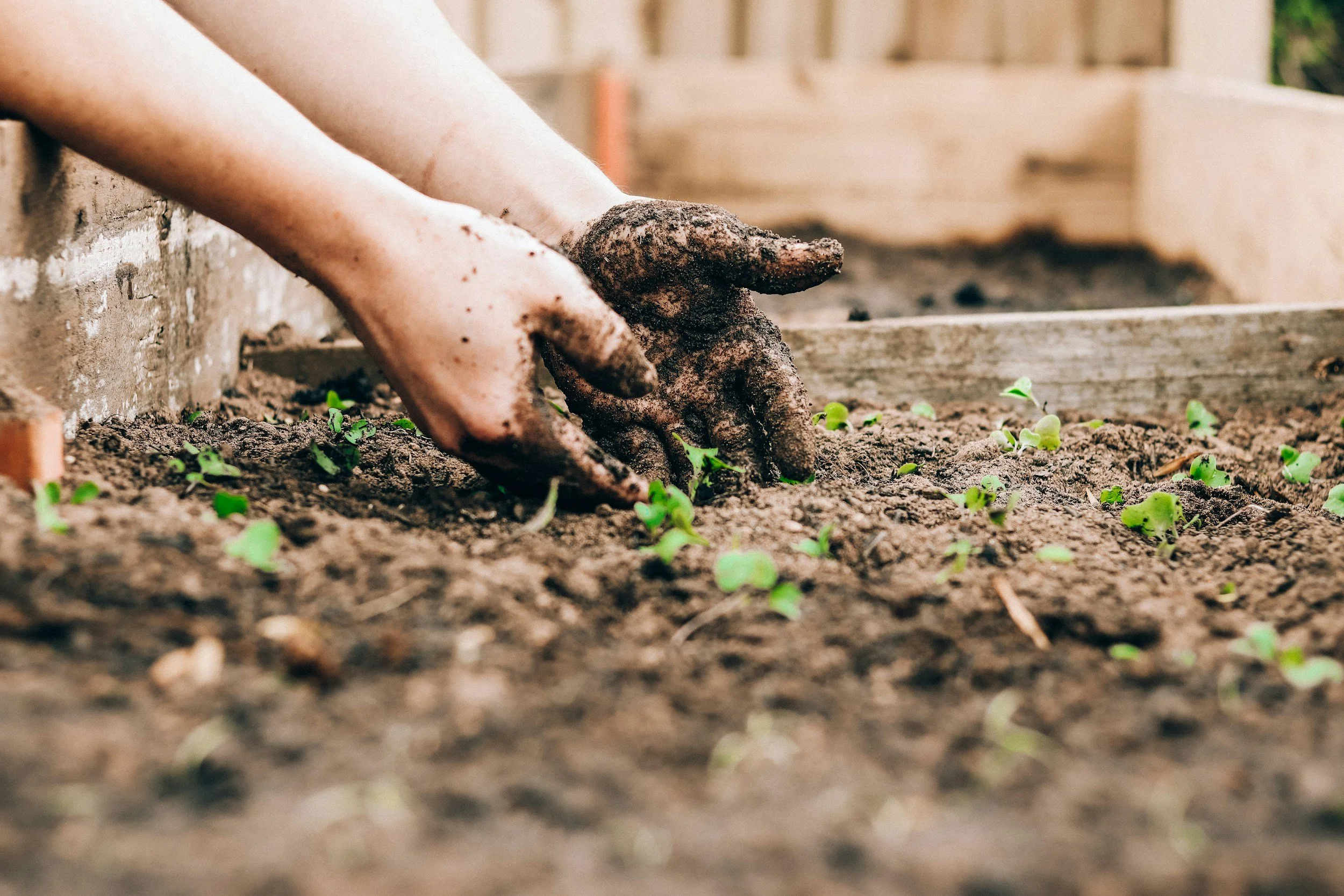
Gardening as a spiritual ritual
Growing herbs and flowers for magical or symbolic purposes
Cooking with intention using homegrown plants
Decorating altars with seasonal plants and natural objects
Nature journaling and observing seasonal changes
Creating sacred outdoor spaces for meditation or reflection
Honoring lunar cycles and seasonal festivals
For many practitioners, the garden itself becomes a place of healing, grounding, creativity, and connection.
Garden Witch vs. Green Witch vs. Hedge Witch
These terms are often used interchangeably, but there are some general differences between them.
Garden Witch
A garden witch typically focuses on cultivated outdoor spaces and gardening activities. Their spiritual practice may revolve around planting, harvesting, seasonal cycles, and connecting to nature in some way.
Green Witch
Green witchcraft is generally broader in scope. Along with gardening and plants, a green witch may incorporate:
Herbalism
Foraging
Natural remedies
Folk healing
Working closely with the elements and earth-based energies
The Green Witch’s Garden by Arin Murphy-Hiscock is an excellent book to check out if you want to learn more about starting your garden practice.
Hedge Witch
The term hedge witch comes from the idea of the “hedge” as a liminal boundary — a space between worlds. Hedge witches are often viewed as solitary practitioners who may incorporate:
Folk magic
Spirit work
Trance practices
Ancestor connection
Dreamwork or journeying
Working within liminal spaces
Many practitioners move fluidly between these labels, while others choose not to use labels at all.
Common Practices of a Garden Witch
Whether or not you identify yourself as a garden witch, there are many simple ways to incorporate nature-based spirituality into everyday life.
Working With Herbs
Herbs have long been associated with healing, protection, and spiritual symbolism across many cultures and traditions.
Some common herbal correspondences include:
Rosemary for protection
Basil for prosperity
Sage for cleansing and purification
Herbs may be grown for cooking, teas, rituals, spell work, or simply to deepen your connection to the natural world.
Moon Gardening
Following lunar cycles in gardening is an ancient agricultural practice that many modern garden witches continue today.
Examples of moon gardening include:
Planting during the new moon
Harvesting during the full moon
Using the waning moon for release rituals
Meditating outdoors beneath the moonlight
Moon phases can add intention, rhythm, and mindfulness to both gardening and spiritual practice.
Creating Sacred Outdoor Spaces
Many garden witches create spaces outdoors that feel calming, magical, or spiritually meaningful.
This could include:
A small garden altar
A fairy garden or fairy house
A pollinator garden
Wind chimes or natural decorations
Plants connected to ancestors or loved ones
A quiet meditation corner
Sacred spaces do not need to be elaborate. Even a single potted plant on a windowsill can become part of a meaningful spiritual practice.
Bringing Garden Magic Into the Kitchen
Garden witchcraft is not limited to outdoor spaces. In fact, many practices can easily be brought indoors, especially during colder seasons.
A garden witch may:
Make herbal teas
Create infused oils
Dry herbs and flowers
Cook with seasonal vegetables
Practice mindful cooking with intention and gratitude
Kitchen rituals can become a simple but powerful extension of a nature-based spiritual practice.
How to Start Your Own Garden Witch Practice
You do not need a large garden, expensive tools, or formal spiritual training to begin.
Start small and focus on consistency rather than perfection.
Simple Ways to Begin
Grow herbs on a windowsill
Start a container garden on a porch or balcony
Plant a small flower bed or patch of wildflowers
Learn about local plants and folklore
Visit parks or nature trails regularly
Keep a seasonal nature journal
Observe how the seasons affect your mood and routines
During winter months, you might focus more on:
Reading about herbalism
Studying plant folklore
Drying herbs
Planning next year’s garden
Reflecting through journaling and seasonal rituals
Nature-based spirituality grows slowly over time through repeated, intentional actions.
Misconceptions About Nature-Based Spirituality
There are many misconceptions surrounding garden witchcraft and nature-based spirituality.
You do not need to:
Identify as Wiccan, Pagan, or a witch
Follow elaborate rituals
Own a large garden
Buy expensive spiritual tools
Practice perfectly
At its heart, spirituality is often about mindfulness, connection, and intention.
Simple actions can become sacred practices:
Watering plants mindfully
Composting as part of the cycle of life
Cooking with gratitude
Observing seasonal changes
Spending time outdoors without distraction
I find as someone who prefers solitude over crowds that my spiritual practices are usually built through small, consistent habits rather than dramatic rituals.
You do not need to follow a strict path or label yourself anything at all. Nature-based spirituality can be as simple as paying attention to the world around you and finding meaning in the changing seasons.
You Might Also Enjoy

Following Along With Nature
This post may include affiliate links and I may earn a small commission from qualifying purchases. Mabon House only features products that I use myself or that I believe my readers would enjoy. Thank you!
Over the years I’ve come to notice that certain moments act as markers of the seasons. The first purple crocus reminds me it’s time to begin spring cleaning, and I find myself naturally decluttering after the dormancy of winter. When the first leaves appear on the trees at the very end of April, I shift outdoors and start tidying the yard. The first dandelions mean it’s time to pull out my sandals. And when the lilacs bloom at the end of May, I finally tuck away my heavy sweaters for the season.
By mid-July, when buttercups start dotting the fields and roadsides, I’m reminded that summer is already more than halfway through—and if I haven’t yet, it’s time to get to the beach and soak in some of those simple summer pleasures.
Not all of my seasonal reminders come from the garden. In late August, when bags of McIntosh apples start appearing on sale, I know cooler weather is just around the corner. That’s my cue to bring the sweaters back out and pack away my sandals and sundresses. In late September I’ll notice the shadows in my kitchen are falling a little earlier in the day, reminding me that winter is just around the corner and I need to get my wood stacked before snowfall. In mid January, when the sunlight begins to linger in the afternoon, I know we’ve begun the uphill climb back to summer.
Most of these moments happen quietly, almost without thought—they’ve simply become part of the rhythm of my life. But this year, after finishing nursing school and feeling disconnected from so much of my life and nature, I need a better sense of grounding and connection. So I’ve decided to begin tracking the little moments that mark the changing seasons. I think this will be interesting to compare from year to year, as well as a way for me to practice staying present. Intentionally focusing on the world around me is something I feel I need even more now, after working busy 12 hour shifts.
There are dozens of seasonal markers I could name—little cues that prompt action, bring comfort, or signal that something new is on the way. If this is something you’d like to try in your own life, I’ve written a full post about starting a nature journal.
I would love to know what kind of seasonal markers you have in your corner of the world.
On the Blog

Follow the Mabon House Adventures


Tree Magick and The Wheel of the Year
Disclaimer: This website uses affiliate links, meaning: at no additional cost to you, I earn a small commission if you click-through and make a purchase. As an Amazon Associate or other affiliate program participant, I earn from qualifying purchases. Mabon House only features products that I believe in and use myself. Thank you!
Tip: If you’d prefer to support local retailers in your area, independent booksellers can often order specific books for you and have them delivered to the store for pick up, for the same price as ordering online.
Trees have long been a sacred symbol in many cultures. Ancient people all over the world celebrated the kinship of nature with humans, with trees representing creation tales and specific deities, as well as growth and knowledge. Trees symbolize many different things in religion and folklore, from the Tree of Life to the ancient Celtic calendar. Incorporating tree magick into your own spiritual practice is an easy way to connect with nature on a personal level.
Wheel of the Year and Tree Magick
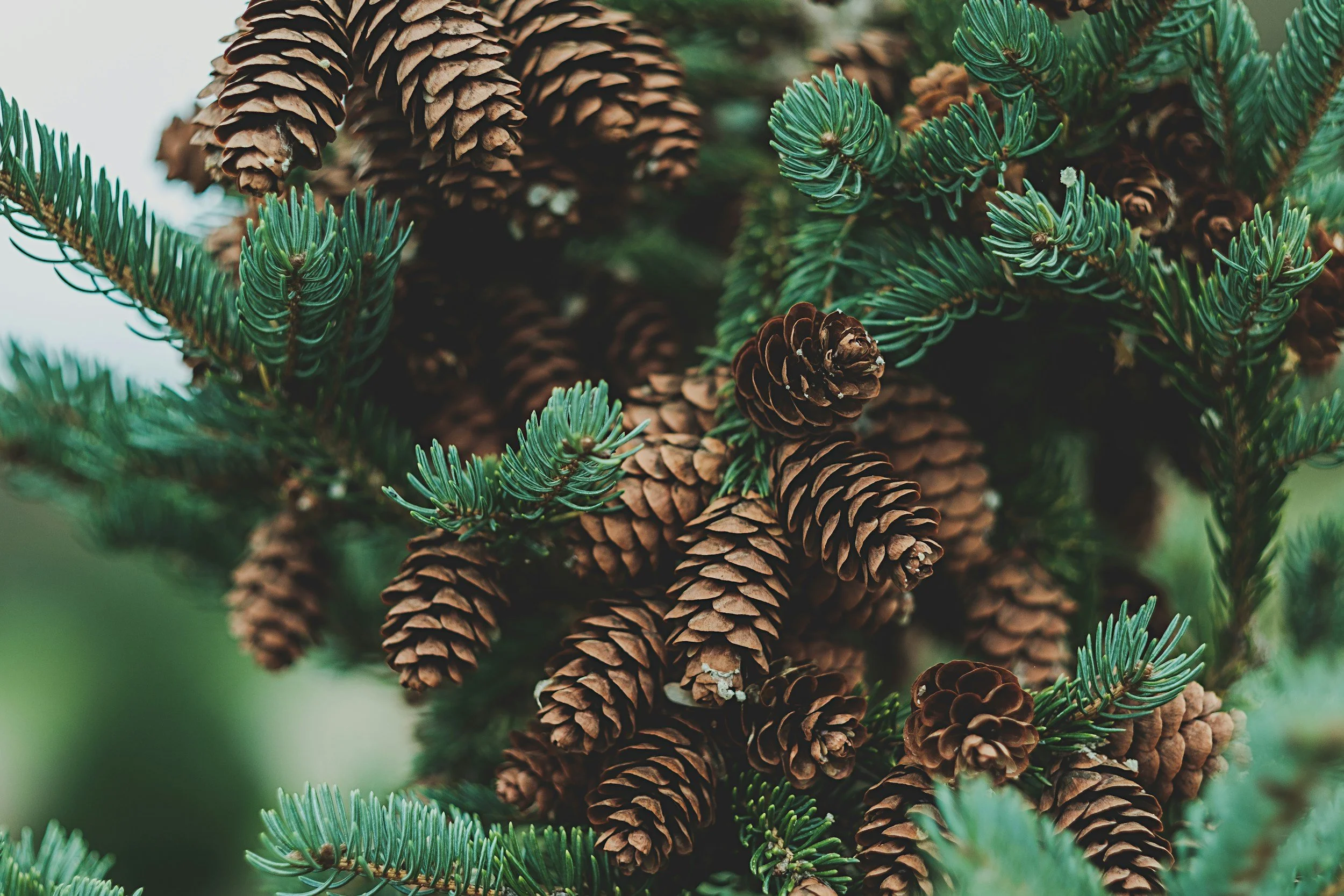
If you follow the Wheel of the Year, you may opt to pay homage to certain trees during certain sabbats. Oak is associated with the bonfires of Litha during midsummer, while evergreen trees are popular at Yule. Rowan trees are associated with the Goddess Brigid who is celebrated at Imbolc, while Hawthorn trees are celebrated during Beltane. Apple trees bear fruit during the season of Mabon and Samhain. Both Ostara and Birch trees symbolize renewal. And as Lughnasdh represents the start of the abundant harvest season, it seems fitting to associate that sabbat with Pine and Maple, both of which are associated with abundance and prosperity.
In her book The Modern Witchcraft Spell Book, author Skye Alexander notes that as part of practicing tree magick, it’s important to ask the tree’s permission before cutting off a branch or twig. And afterwards you should thank the tree and leave an offering, such as composted fertilizer to help it renew.
The Meanings & Associations of Different Trees
Every tree is tethered to different beliefs and associations. Oaks are associated with strength and longevity, often used in ceremonial fires for the Wheel of the Year. While Elder trees are believed by some to be sacred and should never be burned. According to Judy Ann Nock in her book The Modern Witchcraft Book of Natural Magick Rowan trees are thought to hold all the secrets of the world, except the name of God.
Here are some common tree names and their associations:
Ash - associated with sacrifice, protection, strength and harmony
Apple - associated with immortality, beauty, happiness and security
Birch - associated with renewal, celasing, purification and protection
Cedar - associated with healing, protection and creativity
Elder - associated with birth, death and fairy folk
Fir - associated with birth, resurrection and honesty
Hazel - associated with divination, wisdom, luck, fertility and protection
Maple - associated with balance, practicality, love and abundance
Oak - associated with strength, power and longevity
Pine - associated with creativity, longevity, cleaning and prosperity
Rowan - associated with spirituality, protection and fairy folk
Willow - associated with healing, dreams and the underworld
Yew - associated with immortality, protection and death

Tree magick is still practiced today as part of spell work, sacred circles, religious rituals and individual spiritual paths. Trees can be used as an anchor for meditation, community celebrations, as ingredients in spell work, and as part of herbal remedies. Always remember to ask permission before cutting any part of tree and give thanks afterwards.
Do you have a favorite type of tree? Do you practice tree magic as part of your spiritual path? Share in the comments!
References & Recommended Reading
The Modern Witchcraft Book of Natural Magick by Judy Ann Nock
The Modern Guide to Witchcraft by Skye Alexander
The Modern Witchcraft Spell Book by Skye Alexander
Celtic Tree Months Article: https://www.learnreligions.com/celtic-tree-months-2562403
Trees & Paganism Article: https://arboriculture.wordpress.com/2016/10/16/trees-and-religion-paganism/
Trees & World Religions Article: https://arboriculture.wordpress.com/2016/12/17/trees-and-religion-worldwide-indigenous-religions/
More Posts About the Wheel of the Year

follow the adventures