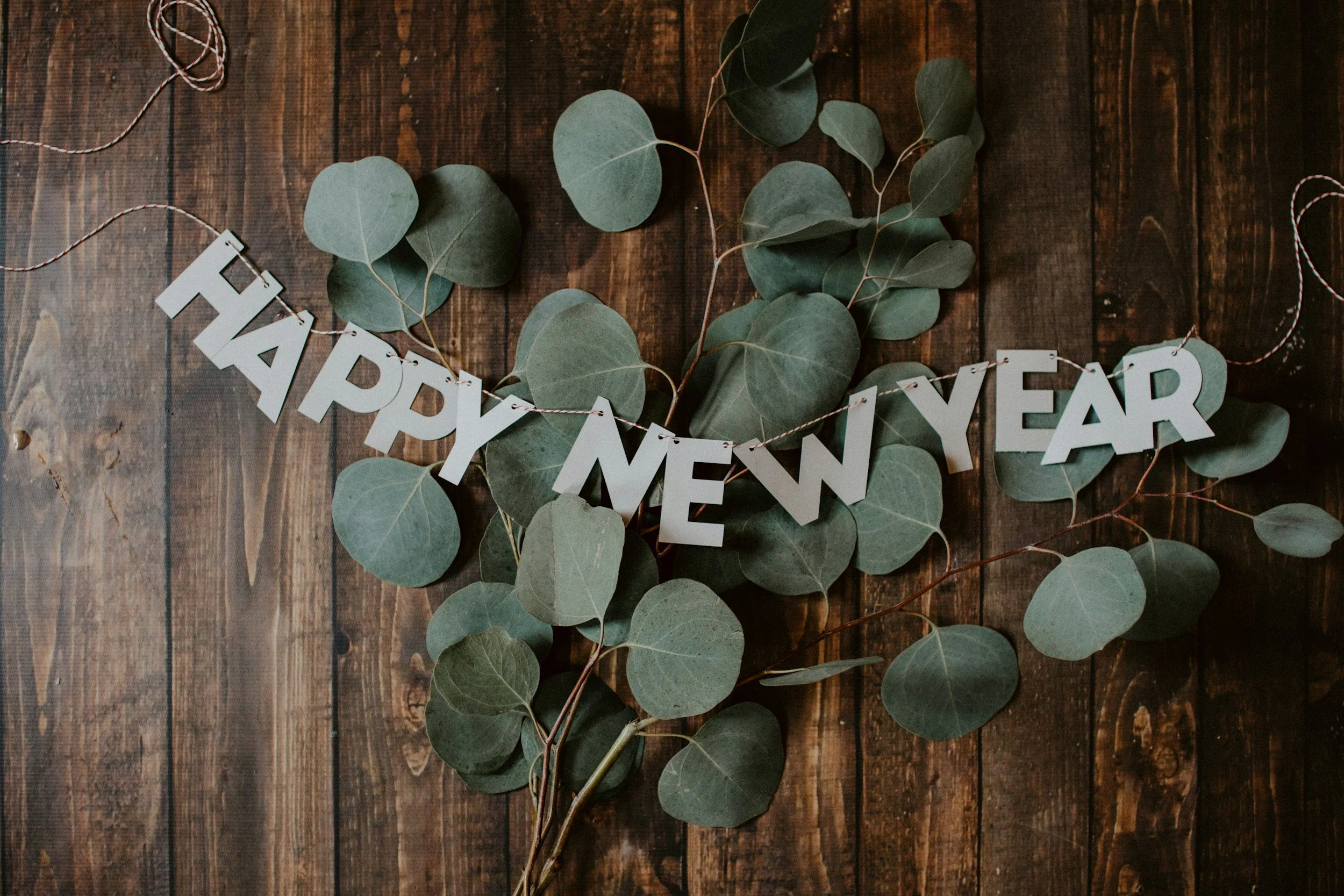
2026: Are We All Just Chasing a Feeling?
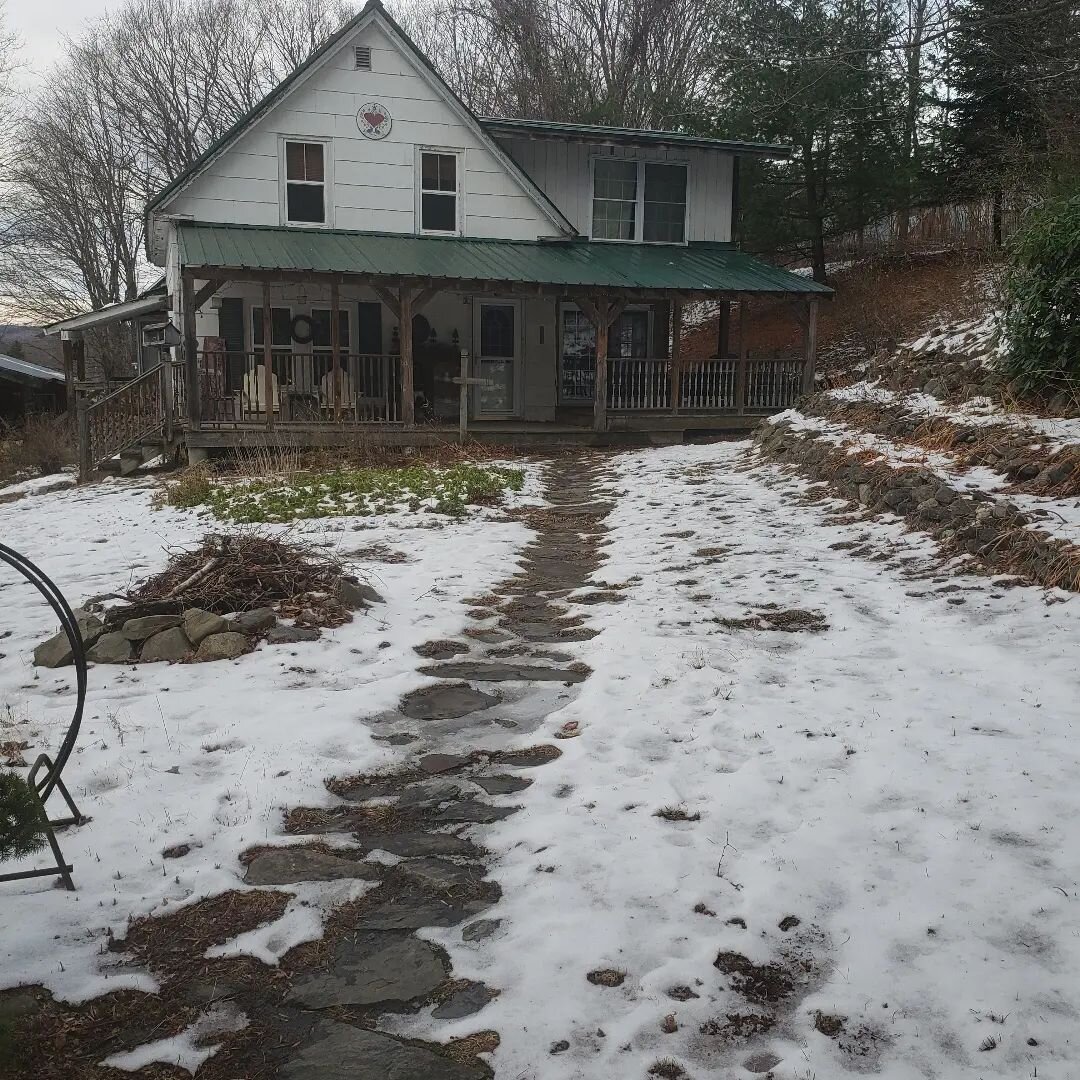
As we enter the deepest part of winter in the northern hemisphere, I find it’s a good time to slow down and take stock. I’ve been reviewing my finances, my work and school schedules, and the long list of upcoming tasks. I’ve also been plotting a fun—but frugal—2026.
My post–nursing school bucket list includes:
Binge-watching PBS period pieces (Wolf Hall!)
Enjoying leisurely lunches with friends and family
Planning an actual vacation where I leave the state of Maine—not just a few days off from classes
Organizing my cupboards (for reasons I can’t fully explain, I’ve been longing to do this all year)
Trying new seasonal recipes
Creating a new painting every month
Reading a new book every month (recommendations welcome)
But the thing I’m most looking forward to in 2026 is simplifying my life and no longer having to balance work and school. I long for the days when I’m not studying, or thinking about studying, or feeling guilty that I haven’t studied enough. The closer I get to the end of my nursing program, the more I fantasize about the glorious, simple, cottage-core life waiting for me on the other side.
And then, all at once, I have to remind myself that what I have right now is good. That it’s okay to be happy, content, even joyful in the present, even if life feels messy. I don’t need to delay my happiness until some mythical endpoint where all my stressors politely pack up and leave me alone among my flower beds and journals. Because that day is not coming.
There will always be something to worry or fret about. At least for me—because that’s how I’m wired. Maybe it’s because I’m an eldest daughter, granddaughter, and great-granddaughter (the trifecta). Or maybe my tendency to overthink stems from past trauma I’m only now able to start processing.
Whatever the reason, I’ve spun this tale in my head before: Life will be great when… That way of thinking is deeply ingrained in my psyche—I could walk it blindfolded. But I’m old enough now to know that I cling to bright, shiny futures not because they’re true, but because they’re familiar. And familiarity feels safe.
It’s easy to outsource our joy to the future. To hide in planning mode when what we really need is action. As long as we idealize what could be, we miss out on what is. And friends, I don’t know about you, but I’m ready to let go of that old way of thinking.
If you want to simplify your life, it probably requires action—not just thoughts. Want your home to be easier to care for? You likely need to declutter. Want to get your finances in order? You have to sit down and make a budget. Tired of feeling like you’re spinning your wheels? You may need to be honest with yourself about what’s working, a little less honest about what you wish were working, and move accordingly.
For me, the life I long for often feels perpetually just out of reach—I can almost brush it with my fingertips. And while I’ve gotten better at taking action and rethinking what happiness and peace actually look like, there are still days when I feel frustrated that I’m grappling with the same old problems. But maybe that’s just life. Isn’t there always something—or someone—that becomes a thorn in your side? If I’m not careful, I could easily fritter away the rest of my days waiting for perfection.
And maybe the work, now, is this: learning to stop waiting. To stop treating peace like a reward I’ll earn later, once I’ve finished becoming who I think I’m supposed to be. Maybe a simpler life doesn’t arrive all at once on the other side of an ending, but in small, imperfect choices made right here—while things are unfinished, while I’m still learning, while the cupboards are half-organized and the future remains unknowable. Maybe this moment, messy and incomplete as it is, is already asking me to stay.
Do you ever feel like you are chasing a life that always feels out of reach? What helps you stay grounded in the present, while still looking forward to the future?

Cross Quarter Days
This post may include affiliate links and I may earn a small commission from qualifying purchases. Mabon House only features products that I believe in and use myself or that I believe my readers would enjoy. Thank you!
Cross Quarter Days are a set of four holidays that fall about halfway between the solstices and equinoxes. These days have been celebrated for centuries in various cultures around the world and have a rich history and significance. In the Wheel of the year, the Cross Quarter Days correspond with the celebrations of Imbolc, Beltane, Lughnasadh and Samhain.
The origins of Cross Quarter Days goes back much further than the modern Wheel of the Year. These days were celebrated by many ancient cultures, including the Celts, the Norse, and the Romans. These cultures saw these holidays as a way to mark the passing of the seasons and to give thanks for the blessings of nature.
Imbolc
The first Cross Quarter Day of the calendar year is Imbolc, which is celebrated on February 1st in the Northern Hemisphere and August 1st in the Southern Hemisphere. This holiday marks the beginning of spring in the Northern Hemisphere. Often associated with the Celtic Goddess Brigid, Imbolc was known as Candlemas in medieval times, as it was traditional to light candles on this day to welcome the return of the sun.
Beltane
The second Cross Quarter Day of the calendar year is Beltane, which is celebrated on May 1st in the Northern Hemisphere and November 1st in the Southern Hemisphere. This holiday marks the beginning of summer in the Northern Hemisphere. Beltane is a time of fertility and growth, and it is traditional to decorate with flowers and perform fertility rituals. Beltane is also known as May Day and is associated with the goddess Flora.

Grab Your Free Cross Quarte Day Printable. Be sure to check out the Free Member’s Library for more Mabon House Printables.
Lughnasadh
The third Cross Quarter Day of the calendar year is Lughnasadh, which is celebrated on August 1st in the Northern Hemisphere. This holiday marks the beginning of the harvest season and is a time of thanksgiving. It is traditional to hold feasts and give thanks for the bounty of the earth. Lughnasadh is also known as Lammas and is associated with the Welsh god Lugh.
Samhain
The fourth and final Cross Quarter Day of the calendar year is Samhain, which is celebrated on October 31st in the Northern Hemisphere. This celebration marks the beginning of winter in the Northern Hemisphere and the beginning of spring in the Southern Hemisphere. Samhain is a time of remembering the dead and is often associated with Halloween. It is traditional to leave food and drink out for the spirits of the deceased. This custom can be seen today in the Latin American celebration of the Day of the Dead.
Despite their ancient roots, Cross Quarter Days are still very much a part of modern culture. Many people continue to celebrate these holidays as a way to connect with the natural world and to honor the cyclical nature of life. Cross Quarter Days are a wonderful opportunity to celebrate and practice living intentionally with the seasons.
References and SUGGESTED READING
There are lots of great books that discuss the history of the Wheel of the Year and offer ideas for modern celebrations of the Cross Quarter Days.
Wicca Demystified by Bryan Lankford gives a good overview of modern Wiccan observances of the Wheel of the Year
Follow the Mabon House Adventures

Cross-Quarter Days and The Wheel of the Year
Disclaimer: This website uses affiliate links, meaning: at no additional cost to you, I earn a small commission if you click-through and make a purchase. If you’d prefer to support local retailers in your area, independent booksellers can often order specific books for you and have them delivered to the store for pick up, for the same price as ordering online.
The Wheel of the Year is divided into eight seasonal celebrations. Four of these seasons (Yule, Ostara, Litha and Mabon) align with either a solstice or equinox. The other four seasonal celebrations (Samhain, Imbolc, Beltane and Lughnasadh) are midpoints within a season, also known as a cross-quarter day. These four days are rooted in ancient Irish Celtic culture as seasonal fire festivals. Today, the cross-quarter days offer an opportunity to pause reflect, set intentions, and give thanks.
Early Origins of the Cross-Quarter Days
Seasonal observances are largely universal in ancient cultures. Astrology, lunar phases and seasonal changes all served as a guide for ancient communities. Planting, harvesting and hunting were all done in cadence with these monthly and seasonal changes happening throughout the year.
In Irish lore, cross-quarter days are also known as the ancient Celtic fire festivals, as bonfires figure prominently in the celebration of each one. It’s important to note that according to Irish mythology, the ancient Irish Celts marked the start of each season with these fire festivals, rather than viewing them as a midpoint for each season. As Christianity spread throughout Europe in the early Middle Ages the traditional fire festivals/ cross-quarter days were incorporated into the Church calendar as various saints days. As late as the 19th Century, cross-quarter days were when British and Irish tradition servants hired, rents due and school terms started.

Cross Quarter Days and The wheel of the year
Within the Wheel of the Year, cross-quarter days each fall exactly at the midpoint (cross) of each season (quarter). Samhain is the midpoint between Autumn and Winter; Imbolc is the midpoint between Winter and Spring; Beltane is the midpoint between spring and summer; Lughnasadh is the midpoint between summer and autumn. Today, modern pagans and those following a nature based spiritual path observe these seasonal midpoints in a variety of ways, including festivals, parties and feasting.
One of the reasons I follow the Wheel of the Year is because I am drawn to the natural cadence of the seasons. My energy ebbs and flows with natural sunlight and I draw strength from the long periods of rest in the darker months. The cross-quarter days are always a time of transition for me - it is when I balance being present and enjoying the current season, while also looking ahead and thinking about what I need to get done.
Do you follow the Wheel of the Year? Share in the comments below or over on Instagram
References & Recommended Reading
The Modern Witchcraft Guide to the Wheel of the Year (affliate link)
https://www.almanac.com/quarter-days-and-cross-quarter-days
https://earthsky.org/astronomy-essentials/halloween-derived-from-ancient-celtic-cross-quarter-day/ https://www.learnreligions.com/quarter-days-and-cross-quarter-days-2562061
More about the wheel of the year



Follow the Mabon House Adventures
