Free Ostara Celebration e-Course
FREE OSTARA CELEBRATION E-COURSE
Join the Mabon House Community in the celebration of the Spring Equinox with this FREE Ostara Celebration E-Course. This self-paced course includes 5 lessons, complete with free downloadable printables and worksheets, tips and resources. The Ostara Self Care and Celebration Course is now available. Simply sign up and access to the first lesson will be sent to your inbox.

Goddesses and the Seasons
This post may include affiliate links and I may earn a small commission from qualifying purchases. Mabon House only features products that I believe in and use myself or that I believe my readers would enjoy. Thank you!
Goddesses have been revered in many cultures throughout history, and they are often associated with various aspects of the natural world, including the seasons. Different goddesses are associated with different seasons and holidays, and they can be invoked to symbolize a variety of concepts and ideas. From Brigid associated with spring and the fire element, to Yemaya associated with summer and the water element, the symbolism of goddesses is rich and varied. In this list, we will explore the associations of various goddesses with the wheel of the year and the different seasons.
Brigid - Brigid is a Celtic goddess associated with spring and the fire element. She is often revered as a patroness of poetry, art, and healing. Read about the history of Brigid and Imbolc
Demeter - Demeter is a Greek goddess associated with autumn and the earth element. She is often revered as a patroness of agriculture and the harvest.
Freya - Freya is a Norse goddess associated with summer and the love element. She is often revered as a patroness of fertility and sexuality.
Hestia - Hestia is a Greek goddess associated with winter and the fire element. She is often revered as a patroness of hearth and home.
Ishtar - Ishtar is a Mesopotamian goddess associated with spring and the love element. She is often revered as a patroness of fertility and sexuality.
Kuan Yin - Kuan Yin is a Chinese goddess associated with summer and the water element. She is often revered as a patroness of compassion and mercy.
Persephone - Persephone is a Greek goddess associated with autumn and the underworld. She is often revered as a patroness of death and rebirth.
Rhiannon - Rhiannon is a Celtic goddess associated with winter and the earth element. She is often revered as a patroness of fertility and abundance.
Saraswati - Saraswati is a Hindu goddess associated with spring and the knowledge element. She is often revered as a patroness of education and the arts.
Yemaya - Yemaya is a Yoruban goddess associated with summer and the water element. She is often revered as a patroness of the ocean and fertility.
Each of these goddesses has its own unique associations with the seasons and the wheel of the year. Incorporating these goddesses into celebrations and rituals can be a great way to honor the changing of the seasons and connect with the divine.
Follow the Mabon House Adventures





Food & The Wheel of the Year
This post may include affiliate links and I may earn a small commission from qualifying purchases. Mabon House only features products that I believe in and use myself or that I believe my readers would enjoy. Thank you!
Food has always been an important part of human culture and traditions. Different foods have different associations and meanings in different cultures. Some foods are associated with health and wellness, while others are associated with abundance and prosperity. Some are even believed to have magical properties and are used in traditional remedies to treat a variety of ailments. In this list, we will explore the associations and meanings of various foods in mythology and culture.
Food and the Wheel of the Year
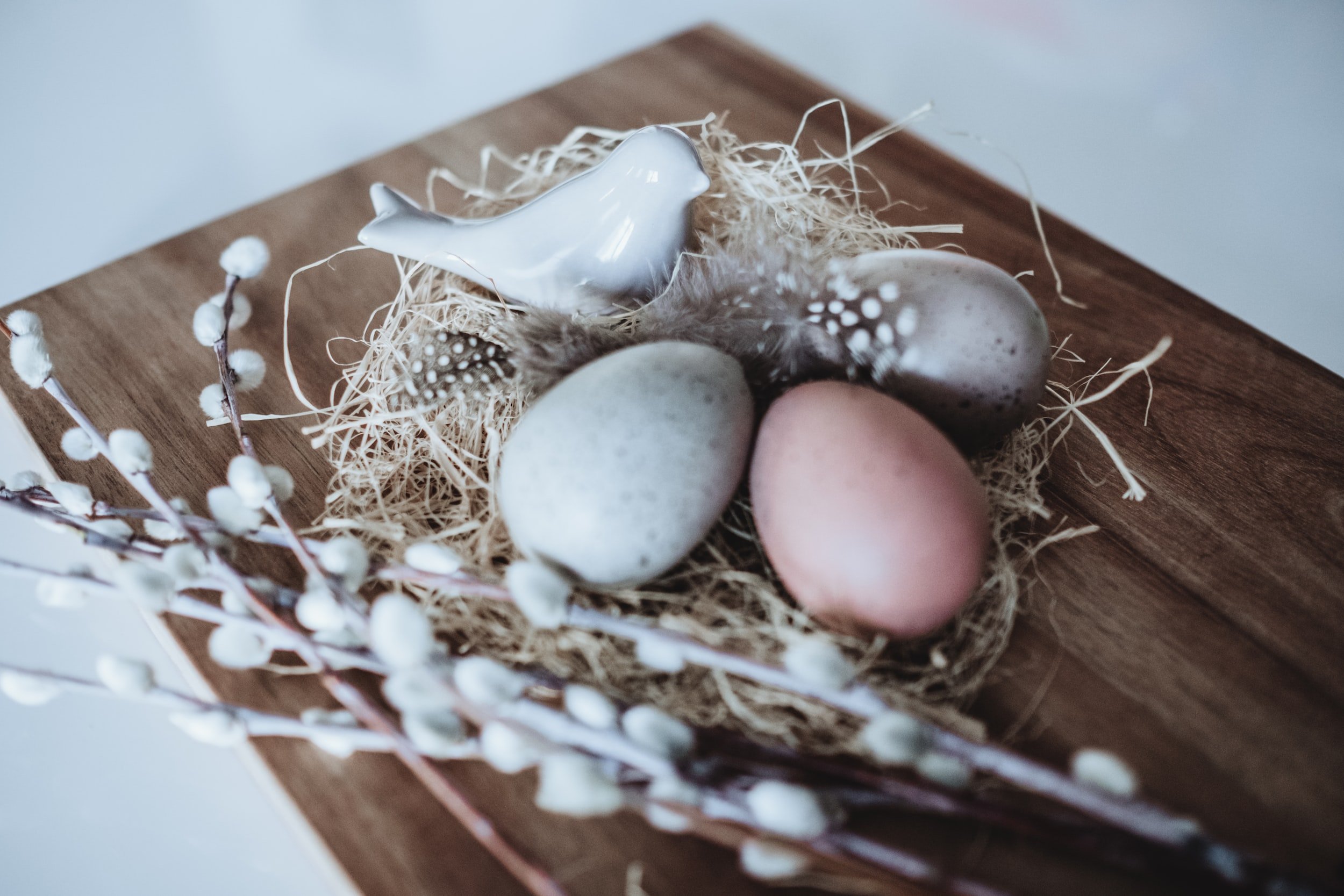
Food plays an important role in Wheel of the Year celebrations and and different foods are associated with different seasons and holidays. For example, pumpkins are often associated with autumn and Samhain, while eggs are associated with Ostara. Each season brings with it an abundance of different fruits and vegetables, which can be used to create traditional dishes that are enjoyed during the corresponding holiday. Foods that are in season are often fresher and more flavorful, and incorporating them into meals can be a great way to celebrate the changing of the seasons.
Apple - In many myths and legends, apples are associated with knowledge and wisdom. In Greek mythology, the fruit of the tree of knowledge in the Garden of Eden was an apple. Apples are also associated with protection, strength, and perseverance.
Banana - Bananas are often associated with energy and nourishment. In many cultures, they are considered a symbol of abundance and prosperity.
Carrot - Carrots are associated with good eyesight and healthy skin. In some myths and legends, carrots are believed to have magical properties that can improve vision and restore youth.
Celery - Celery is associated with weight loss and hydration. It is also believed to have medicinal properties and is often used in traditional remedies to treat a variety of ailments.
Cherries - Cherries are often associated with relaxation and sleep. In some myths and legends, they are believed to have healing properties and are used to treat a variety of ailments.
Grapes - Grapes are associated with abundance and prosperity. In many myths and legends, they are also associated with wine and are considered a symbol of celebration and joy.
Lemon - Lemons are associated with cleansing and detoxification. In some myths and legends, they are believed to have medicinal properties and are used to treat a variety of ailments.
Orange - Oranges are associated with immunity and vitality. They are also a symbol of good fortune and prosperity in many cultures.
Peach - Peaches are associated with longevity and happiness. In Chinese mythology, peaches are the fruit of the gods and are believed to have magical properties that can grant eternal life.
Pineapple - Pineapples are associated with hospitality and welcoming. In many cultures, they are considered a symbol of prosperity and abundance.
Pomegranate - Pomegranates are associated with fertility and abundance. In many myths and legends, they are also a symbol of regeneration and renewal.
Pumpkin - Pumpkins are associated with autumn, Halloween, and Thanksgiving. They are also a symbol of abundance and prosperity. In some myths and legends, pumpkins are believed to have medicinal properties and are used to treat a variety of ailments.
Strawberry - Strawberries are associated with love and romance. In some myths and legends, they are also a symbol of purity and innocence.
Tomato - Tomatoes are associated with heart health and lycopene. In some myths and legends, they are believed to have medicinal properties and are used to treat a variety of ailments.
Food plays a significant role in many cultures and traditions around the world. Different foods have different associations and meanings, and they can be used to symbolize a variety of concepts and ideas. From apples associated with knowledge and wisdom, to pumpkins associated with autumn and abundance, the symbolism of food is rich and varied. Whether for their taste, their cultural or mythical associations, or their nutritional value, foods continue to be an important part of our lives and celebrations.
Follow the Mabon House Adventures