Endings and Beginnings
Hello Friends,
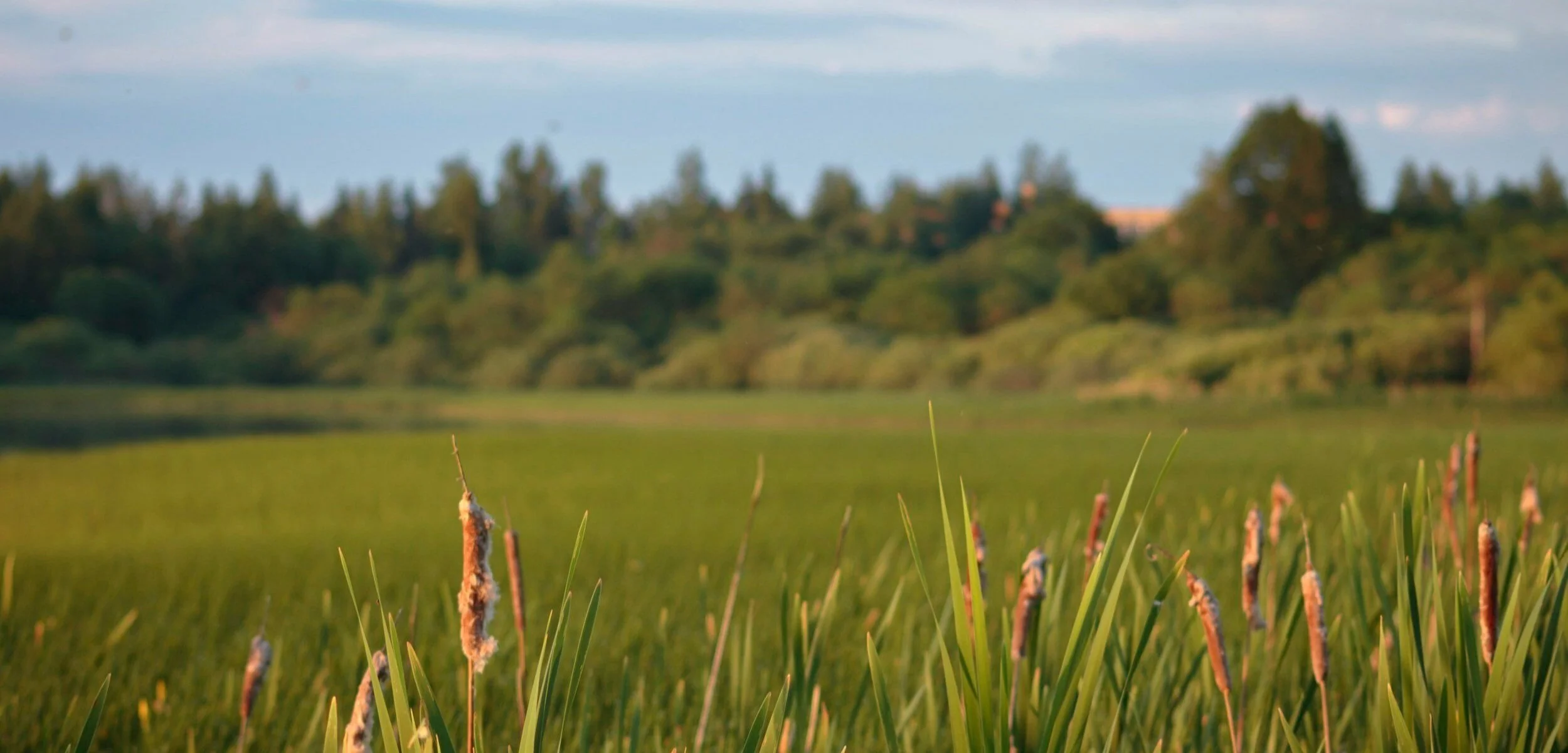
I hope this finds you well and safe and enjoying the season of Mabon. Here in Western Maine we have moved from the warmth of late summer into crisp, cool mornings and evenings. Life has been busy, but I’ve managed to get outside and enjoy the changing of the seasons. One of my favorite places to walk and think is a big field near my house. It has beautiful views of the mountains and runs along a quiet little river. I always joke that this place is my church, my gym and my therapist’s office.
Do you have any special places in nature that you enjoy?
Turns out I am Not Taylor Swift and I Can’t Do It With a Broken Heart
You may have wondered where I’ve been for the past month. I mentioned over on Patreon that I was taking a hiatus from Mabon House while I got my bearings around nursing school and life in general. But that was not all that was the full story.
One area of life that I rarely share about is my personal relationship. My significant other and I have always kept things private and low key. We’ve been together for well over a decade. We don’t share kids or live together or co-mingle finances. We just had this kind of unique relationship of his place/my place and it worked for a long time. Until it didn’t. So on top of school and work and life in general, I’ve also been weathering a rather gut wrenching break up. I have forgotten how much heartache hurts. I think the worst is over, but for a few weeks I wasn’t able to do anything beyond the bare minimum, while listening in turns to Taylor Swift and Noah Kahn on repeat.
I’ve experienced enough loss of loved ones over the past few years to recognize that what I am feeling most right now is strait up grief. I’m just grieving for the relationship and the empty place where it used to be.
It was not a dramatic, angry ending. Rather two people who love each other, but recognize our paths no longer align. I’m glad that we left things on good terms. But there are moments when I think it’d be easier if I was just angry. Anger blunts the sharp edges of loneliness, grief and sadness.
To be honest, I wasn’t sure if I was going to be able to continue writing at all, I was feeling so overwhelmed. And I know there are more ups and downs to come, but today feels like a good day.
The leaves are beginning to fall and my gardens are full of delicate asters and dancing goldenrod. The growing season is in its last act and soon we will bid goodbye to all the reminders of the past year. It is both an ending and a new beginning.
So thank you for being here, friends.
side note: I love Noah Kahn, but one should not listen to his music if one if already feeling sad and depressed.

The Fae: Exploring Their Role in Modern Nature-Based Spirituality
This post may include affiliate links* and I may earn a small commission from qualifying purchases. Mabon House only features products that I believe in and use myself or that I believe my readers would enjoy. Thank you!
In recent years, there has been a resurgence of interest in ancient and nature-based spiritual practices. Many people are turning away from organized religion and seeking a deeper connection with the earth, the elements, and the mysteries of the natural world. One of the most fascinating aspects of this shift is the renewed interest in the Fae—mythical beings often associated with nature, magic, and the unseen realms. In this blog post, we will explore what the Fae are, how they relate to modern nature-based spirituality, and how you can begin to work with them in your own spiritual practice.
Who are the Fae?
The term "Fae" refers to a collective of supernatural beings, including fairies, elves, gnomes, and other nature spirits. These beings have been part of folklore and mythology for centuries, particularly in Celtic and European traditions. The Fae are often depicted as guardians of the natural world, with a deep connection to the earth, plants, animals, and the elements. They are believed to inhabit the liminal spaces of the world—the edges of forests, the banks of rivers, the tops of mountains—places where the veil between the physical and spiritual realms is thin.
In many stories, the Fae are portrayed as tricksters or mischievous beings, sometimes helpful but often unpredictable. They are known for their love of beauty, music, and dance, and are said to have the ability to influence the natural world, from causing crops to flourish to bringing storms or droughts. While some traditions depict the Fae as small, winged creatures, others describe them as ethereal beings, more akin to elves or even elemental spirits.
Read more about the Folklore of the Fae
The Fae in Modern Nature-Based Spirituality
In modern nature-based spirituality, the Fae are seen as more than just characters from folklore. They are revered as powerful spiritual entities that embody the spirit of the natural world. For many practitioners, working with the Fae is a way to connect more deeply with nature, honor the earth, and engage with the energies that flow through all living things.
Guardians of Nature
One of the most common beliefs about the Fae in modern spirituality is that they are the guardians of nature. They are thought to watch over forests, rivers, and other natural places, ensuring that these environments remain healthy and vibrant. In this sense, the Fae are seen as allies in environmental stewardship. By working with the Fae, practitioners believe they can tap into the wisdom of the natural world and gain insight into how to live in harmony with the earth.
For those who follow nature-based spiritual paths, honoring the Fae can involve making offerings, such as leaving flowers, crystals, or other natural items in a special outdoor spot. These offerings are a way to show respect and gratitude to the Fae for their role in maintaining the balance of nature.
Symbolism of the Fae
While some people may believe in the Fae as literal beings, others see them as symbolic representations of natural forces or energies. In this view, the Fae embody the essence of nature's mysteries—the unseen currents of energy that flow through the earth, plants, and animals. They represent the wild, untamed aspects of the natural world, as well as the beauty and magic that can be found in even the smallest details of the environment.
For many modern spiritual practitioners, the Fae serve as a reminder of the interconnectedness of all life. By invoking the Fae in rituals or meditations, they seek to align themselves with the natural rhythms of the earth and to cultivate a deeper awareness of the world around them.
The Fae as Spiritual Guides
In addition to being guardians of nature, the Fae are often viewed as spiritual guides. Many people believe that the Fae can offer guidance, protection, and wisdom to those who seek their help. This can take the form of intuitive insights, dreams, or even direct communication with these beings during meditation or ritual.
Working with the Fae as spiritual guides can be a deeply personal and transformative experience. It requires a willingness to open oneself to the mysteries of the unseen world and to trust in the wisdom of the natural forces that the Fae represent. For those who feel called to this path, the Fae can offer a powerful connection to the earth and its many layers of reality.
Books About The Fae
There are many books and resources to help you learn more about The Fae, inclduing some excellent reference books:
The Modern Witchcraft Guide to Fairies: Your Complete Guide to the Magick of the Fae
A Natural History of Fairies (Folklore Field Guides)
Fairy Magic: All about fairies and how to bring their magic into your life
The Fairy Bible: The Definitive Guide to the World of Fairies
How to Connect with the Fae
If you feel drawn to the Fae and want to incorporate them into your spiritual practice, there are several ways to begin:
1. Create a Sacred Space
One of the first steps in connecting with the Fae is to create a sacred space in nature. This could be a quiet spot in your garden, a secluded area in a park, or even a special corner of your home filled with plants and natural objects. This space will serve as a place where you can honor the Fae, leave offerings, and meditate.
When creating your sacred space, be mindful of the energy you want to cultivate. The Fae are drawn to beauty and harmony, so consider incorporating elements that reflect these qualities, such as flowers, crystals, and candles. You may also want to include symbols or images that resonate with your connection to the Fae, such as fairy statues or artwork.
2. Offerings and Rituals
Offering is a traditional way to show respect and build a relationship with the Fae. Common offerings include flowers, fresh water, honey, and small tokens of appreciation, such as shiny objects or coins. When making an offering, take a moment to express your gratitude and intention, asking the Fae for their guidance or protection.
In addition to offerings, you can also create rituals that honor the Fae. This might include lighting candles, saying prayers or invocations, or performing a simple nature-based ritual, such as planting a tree or tending to a garden.
3. Meditate and Listen
Meditation is another powerful way to connect with the Fae. Find a quiet place in nature, close your eyes, and focus on your breath. As you relax, allow yourself to become aware of the energy around you—the rustling of leaves, the flow of water, the warmth of the sun. Imagine the presence of the Fae in this space, and invite them to communicate with you.
During your meditation, you may receive impressions, images, or feelings that guide you on your spiritual path. Trust in these insights and allow them to deepen your connection to the Fae and the natural world.
4. Respect and Reciprocity
Finally, it's important to approach your relationship with the Fae with respect and reciprocity. The Fae are beings of the natural world, and they value harmony and balance. When working with the Fae, be mindful of your impact on the environment and strive to live in a way that honors and protects the earth.
Remember that your relationship with the Fae is a partnership—one that requires mutual respect and care. By showing kindness and consideration for the natural world, you can build a strong and meaningful connection with the Fae and the energies they represent.
Are the Fae part of your spiritual path?
Recommended Reading

Follow the Mabon House Adventures




The content provided above was developed in collaboration with ChatGPT, an AI language model by OpenAI. The initial ideas and concepts for the piece were provided by me, and ChatGPT assisted in organizing, formatting, and refining these ideas into the final written post. While the AI contributed to the structure and clarity of the content, the core ideas and creative direction remain my own.

Simple Mabon Celebrations
This post may include affiliate links* and I may earn a small commission from qualifying purchases. Mabon House only features products that I believe in and use myself or that I believe my readers would enjoy. Thank you!
Mabon, celebrated around September 21st, marks the Autumn Equinox, a time when day and night are perfectly balanced. As the Earth shifts from the warmth of summer to the cooler embrace of autumn, Mabon invites us to reflect on balance, gratitude, and the abundance of the harvest. For those following a nature-based spiritual path, Mabon is a meaningful time to connect with the cycles of nature and honor the fruits of our labor. Here are some ways to celebrate Mabon in a modern, nature-based way.
Creating a Balance Altar
To honor the theme of balance, set up an altar that reflects the equilibrium of light and dark. Use items like candles in contrasting colors (black and white, gold and silver) to symbolize this balance. Add elements of the harvest, such as apples, pumpkins, and grains, along with crystals that promote harmony, like amethyst or clear quartz. Spend time at your altar in quiet reflection, focusing on areas in your life where you seek more balance.
Harvest Gratitude Ritual
Mabon is a time of thanksgiving for the abundance we have received throughout the year. Create a gratitude ritual by writing down the things you’re grateful for on small pieces of paper. Place these in a decorative jar or bowl on your altar. You can also write your blessings on leaves or stones and place them in a garden or natural space as an offering. This ritual not only honors the harvest but also helps you cultivate an attitude of gratitude.
Seasonal Cooking and Feasting
Prepare a Mabon feast using seasonal foods like squash, apples, root vegetables, and grains. Consider making dishes that highlight the rich, earthy flavors of autumn—think roasted vegetables, apple pie, and hearty soups. Share this meal with family and friends, either in person or virtually, and take a moment before eating to express gratitude for the food and the hands that prepared it.
Nature Walks and Foraging
Taking a walk in nature is a wonderful way to celebrate Mabon and connect with the changing season. As you walk, observe the shifting colors of the leaves, the crispness in the air, and the animals preparing for winter. Forage for natural items like acorns, pinecones, and colorful leaves, which you can use to decorate your home or add to your altar. This practice deepens your connection to the Earth and the cycles of nature.
Crafting with Nature
Engage in seasonal crafts that bring the spirit of Mabon into your home. Create a wreath using leaves, flowers, and other natural items you’ve gathered. Make a cornucopia, a symbol of abundance, using fruits, vegetables, and grains. Crafting can be a meditative practice, allowing you to focus your intentions for the coming months while creating something beautiful.
Meditation and Reflection
Mabon is an ideal time for meditation and personal reflection. Find a quiet spot, either indoors or outdoors, where you can sit comfortably. Focus on your breath and allow your mind to settle. Reflect on the past year—what you’ve accomplished, what you’ve learned, and what you’re letting go of. Consider what balance means to you and how you can cultivate it in your life. This practice can help you align with the energies of the season and set positive intentions for the future.
Sharing and Community
Mabon is a celebration of community and sharing the abundance of the harvest. If possible, gather with loved ones for a Mabon celebration. Share a meal, exchange stories, and enjoy each other’s company. If an in-person gathering isn’t feasible, consider hosting a virtual gathering where everyone can share what they’re grateful for and how they’re celebrating the season. Community connection is a powerful way to honor the spirit of Mabon.
Books About Mabon & the Wheel of the Year
The Modern Witchcraft Guide to the Wheel of the Year
Year of the Witch: Connecting with Nature's Seasons through Intuitive Magick
The Spirited Kitchen: Recipes and Rituals for the Wheel of the Year
Mabon is a time of balance, reflection, and gratitude, deeply connected to the cycles of nature. By incorporating these modern practices, you can create a meaningful and personal Mabon celebration that honors the old traditions while embracing the new. Whether you are alone or with loved ones, these rituals and activities can help you connect deeply with the spirit of Mabon and the changing season.
More About Mabon


The content provided above was developed in collaboration with ChatGPT, an AI language model by OpenAI. The initial ideas and concepts for the piece were provided by me, and ChatGPT assisted in organizing, formatting, and refining these ideas into the final written post. While the AI contributed to the structure and clarity of the content, the core ideas and creative direction remain my own.

Follow the Mabon House Adventures